African Business, 21/01/2024
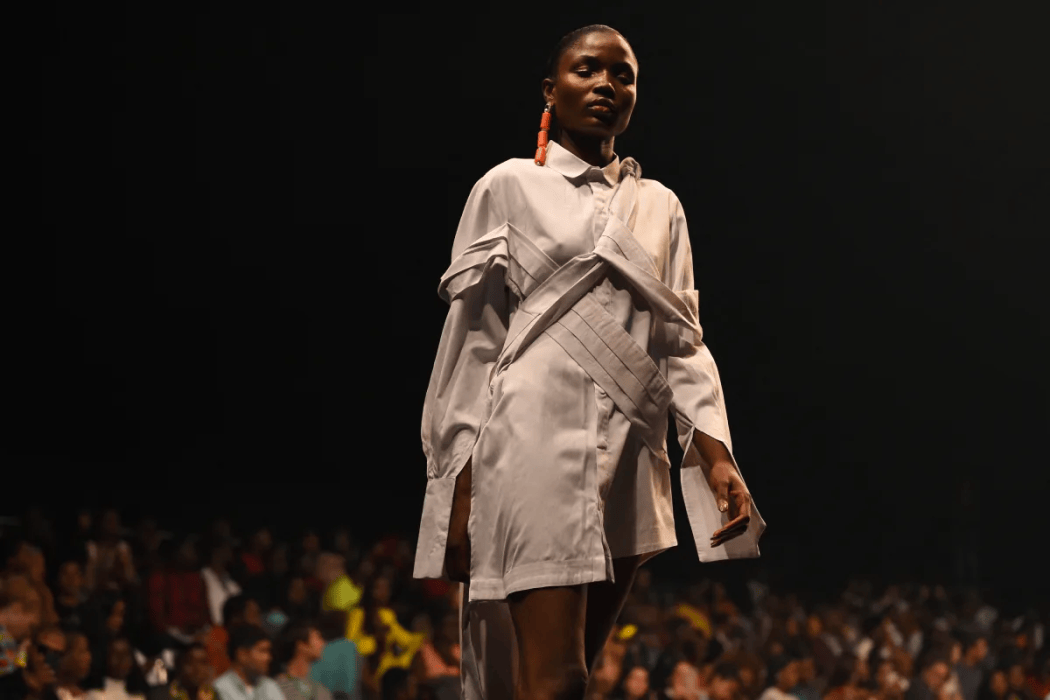
On a sharply lit walkway within a darkened room, a troupe of young men and women sashay with purpose up and down a catwalk, dressed in the very latest and best innovative creations in fashion. This was the scene at Lagos Fashion Week in late October. Spanning four packed days, it drew crowds of fashion fans from across Africa and the world and UNESCO director-general Audrey Azoulay chose the close of the week to publish her inaugural report, Africa, a new global fashion leader, arguing that the continent is well on the way to becoming one of the next global fashion leaders.
The African continent hosts 32 successful fashion weeks every year including the upcoming Dakar and Accra Fashion Weeks which bring together designers and fashionistas alike, and the African fashion industry is valued at $15.5bn worth of exports annually. It seems difficult to believe that African fashion was ever anything other than highly in demand.
Watching the models at Lagos Fashion Week is its creator Omoyemi Akerele, who founded the exposition in 2011 to encourage the patronage of Nigerian and African fashion.
“Africans want to wear Africa. It’s really beautiful to see because it hasn’t always been like this,” says Omoyemi, speaking to Africa News. “But fast forward, a decade after, that’s all people want to wear.”
In the earlier years of the 21st century, African fashion was a casualty of increasing globalisation, and the adoption of Western fashion on the continent leading to a decline in the use of traditional African fabrics and patterns, and concerns about the erosion of traditional African culture. Now, however, we are witnessing the welcomed reversal of this trend. So what has brought about this volte-face in the African fashion ecosystem? Continue Reading >>

